The Rise of K-pop B2B: A New Era for Global Music Distribution
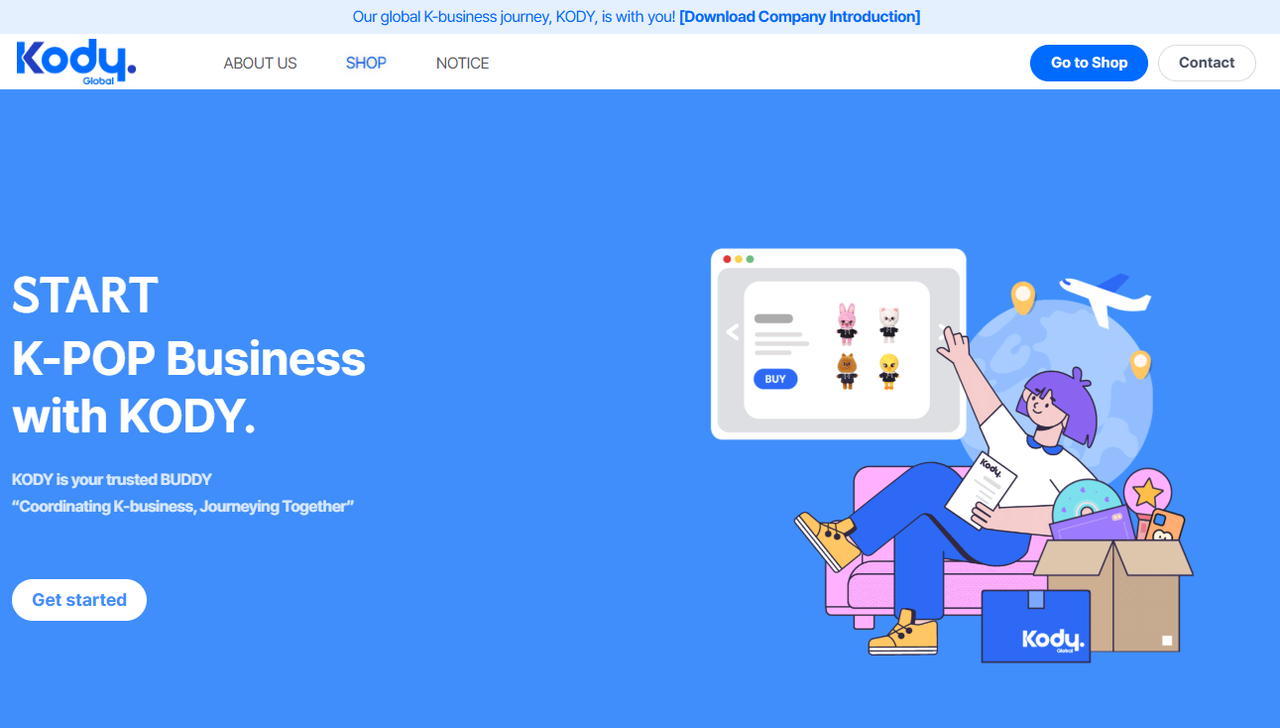
The K-pop industry has soared in global popularity, and with it, the wholesale market for K-pop goods has become a thriving ecosystem. K-pop B2B refers to the trade of official merchandise, albums, and memorabilia between businesses, such as distributors, retailers, k-biz starter guide and e-commerce platforms. This model has revolutionized how K-pop products reach fans worldwide, ensuring seamless supply chains and broader access to trendy items like lightsticks and albums.
Unlike traditional retail, K-pop B2B focuses on large-scale transactions, enabling retailers to stock up on genuine goods from major entertainment companies like HYBE, JYP, and SM. The demand for these products is driven by the loyal global fanbase, who eagerly purchase special albums and merchandise to support their favorite idols. For instance, BTS’s “Butter” album and BLACKPINK’s lightsticks have been top sellers in B2B markets, with distributors reporting record-breaking sales in 2025.
However, the B2B model isn’t without challenges. Counterfeit products flood the market, posing risks for businesses that unknowingly purchase low-quality goods. To combat this, companies are investing in authentication technologies to ensure product legitimacy. Additionally, the logistics process can be complex, with high shipping costs and customs regulations affecting profitability. Despite these hurdles, the K-pop B2B sector continues to grow, fueled by the genre’s dynamic global influence.